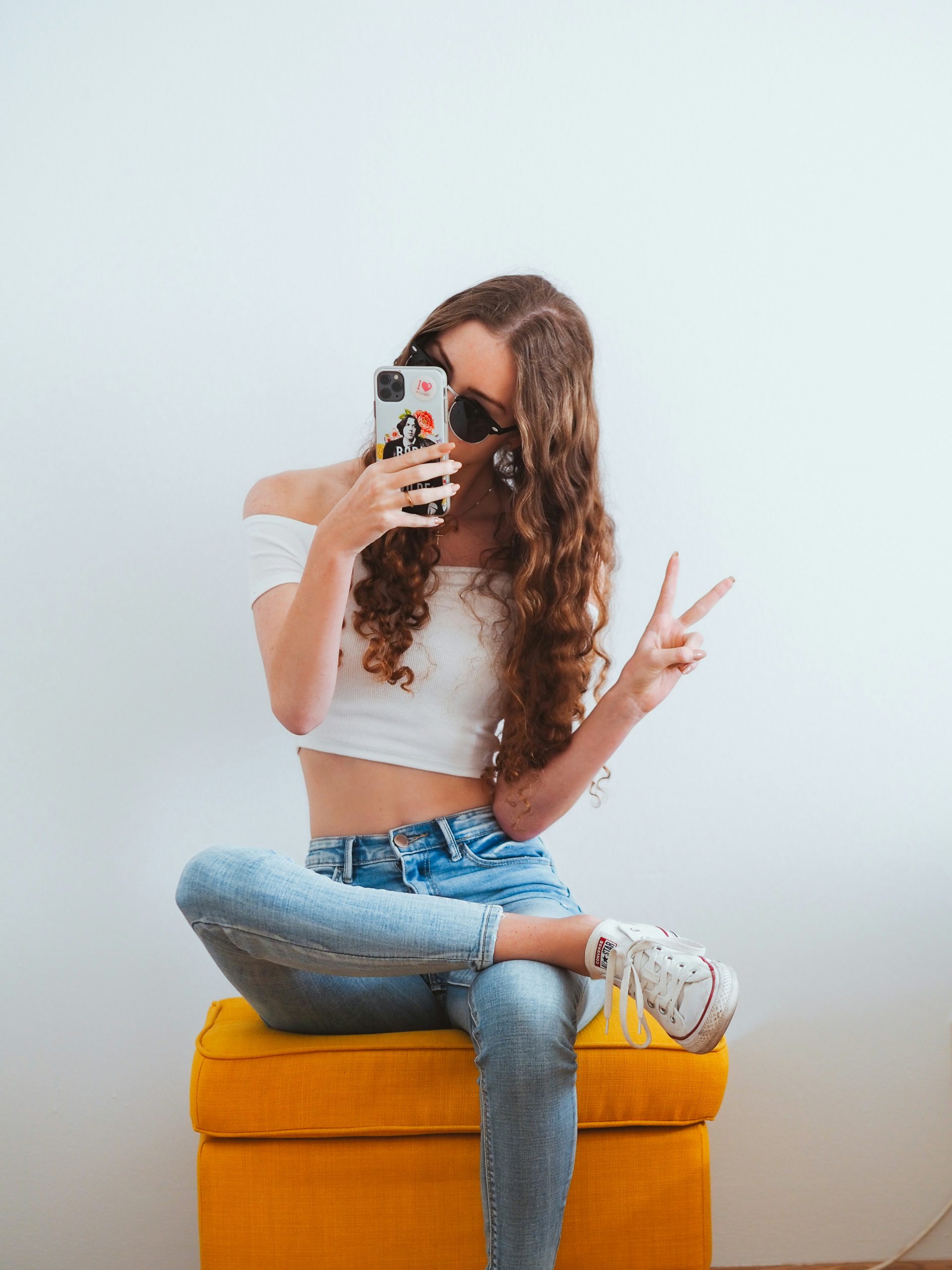
There was a time, not too long ago, when brands bought attention by investing in images. Choosing the right photographer was not an afterthought; it was the strategy. A powerful image could define a campaign, carry a message, shape perception, and spark engagement. The audience was drawn in by the image itself, the photo came first, and attention followed.
Not anymore.
Today, brands rent audiences directly. They hire influencers, not for their ability to craft visual narratives, but for the numbers next to their names. Follower count, engagement rate, and demographic breakdown are now the currencies of attention. The image itself? Often generic, fleeting, and secondary. The audience is already there; the photo simply fills the space.
Why did this shift happen?
1. Measurability.
Photography never fitted neatly into a spreadsheet. It had an impact, indeed, but that impact was difficult to quantify. Yes, a great image could lift engagement, but by how much? Compared to what? Influencer marketing, by contrast, arrived with metrics: likes, shares, reach, conversions. Numbers that could be charted, compared, and optimized. Visuals became part of performance marketing, and performance demands proof.
Some influencers, to be fair, have excellent visual sensibilities. The issue isn’t a lack of talent; it’s a shift in what is being valued. Craft gave way to count. Quant took over.

2. Segmentation.
Influencers offer built-in, neatly labeled audiences. You want to reach urban Gen Z women interested in sustainable beauty? There’s an influencer for that. They’ve done the work of building and curating an audience, and for brands, that’s gold.
Photography doesn’t segment so cleanly. You can tailor a visual message through composition, subject, and style, but it’s still a spray-and-pray approach. Influencers are glue traps: targeted, specific, sticky. When budgets are tight, brands tend to favor what feels scientific ,and influencers provide that illusion of precision.
So what now?
Is this shift reversible? Only if photographers become influencers themselves , which is possible, but not necessarily desirable. What’s actually emerged are two distinct channels:
– The influencer channel, optimized for speed, efficiency, and conversion. It’s about moving product, quickly and visibly.
– The photographer channel, slower, deeper, focused on building narrative, identity, and long-term brand equity.
One sells; the other signals.
And they don’t need to be in competition. They can, and should, coexist. Brands that understand the difference won’t just buy attention. They’ll build meaning.


